
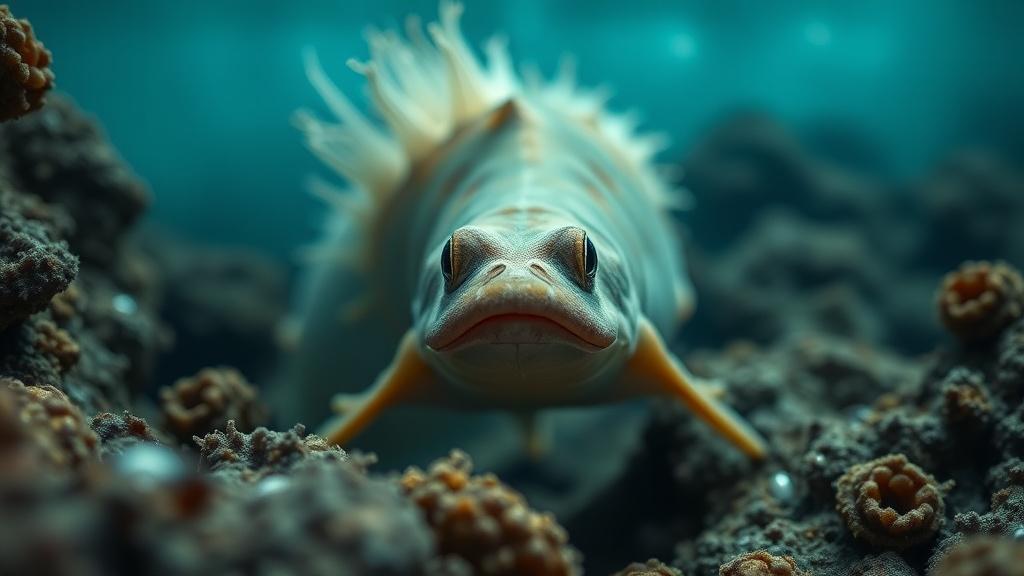
The ocean’s most profound chasms remain among Earth’s last unexplored territories, and scientists have just revealed extraordinary findings lurking in these harsh conditions. A groundbreaking expedition has identified numerous undocumented species thriving miles beneath the surface, where immense pressure and constant darkness create environments unlike anywhere else on the planet. These remarkable discoveries not only expand our understanding of life’s resilience but also raise intriguing questions about how many more unknown organisms inhabit the mysterious depths of our oceans.
Exploration of the Most Remote Depths
The study of ocean trenches has yielded striking revelations about life in Earth’s most extreme environments. Research teams have discovered numerous new species living in depths exceeding 6,000 meters, where conditions push against our fundamental understanding of biological survival. These discoveries show that life adjusts impressively to crushing pressure, frigid temperatures, and complete darkness that would be lethal to most organisms living on the surface. The findings suggest extensive habitats remain unmapped in our planet’s deepest ocean regions.
Scientists employed state-of-the-art submersibles and remote monitoring technology to access these formerly inaccessible regions. The recently discovered species demonstrate unique physiological adaptations, including specialized proteins and metabolic processes that permit life under crushing pressure. Some organisms have bioluminescent properties, allowing communication and prey detection in complete darkness. These features provide invaluable insights into evolution under the most extreme conditions imaginable.
The significance of these discoveries extends beyond simple classification of new organisms. Understanding organisms in the deep ocean presents opportunities in biotechnology, pharmaceutical development, and advanced materials. Enzymes and proteins from these life forms could reshape numerous fields. Moreover, these results demonstrate how much remains unknown about our world, emphasizing the critical need for ongoing marine research and protection initiatives.
Advanced Discovery Technologies
Current deep-sea exploration utilizes advanced technological developments that permit scientists to access formerly unreachable depths in a safe and efficient manner. Advanced submersibles fitted with sophisticated cameras and collection apparatus permit researchers to examine creatures in original ecosystems without disturbance. ROV systems (ROVs) extend human capabilities, conveying real-time data from the seafloor to surface vessels. These technologies have revolutionized our capability in examining severe habitats and obtain organisms for examination.
Genetic sequencing and biochemical examination techniques complement field observations, allowing scientists to identify and classify newly discovered species rapidly. Advanced imaging systems capture detailed footage of organisms and their conduct, while purpose-built sampling devices preserve specimens in optimal conditions. Autonomous underwater vehicles equipped with sensors chart trench topography and environmental conditions. Together, these technological advances have revolutionized deep-sea research from speculative to methodical, enabling discoveries that reshape our understanding of life’s possibilities.
- Remote-controlled submersibles capture detailed visual data from the deepest ocean regions
- Self-guided submarine systems map deep ocean channels and gather ecological information
- Advanced DNA sequencing determines and categorizes recently found species
- Specialized pressure-resistant containers maintain fragile samples during collection
- Live information transfer allows topside crews to direct research activities
Features of New Organisms
The recently identified species exhibit impressive physical modifications that distinguish them from their near-surface relatives. These organisms have distinctive characteristics including light-producing structures, extended body forms, and specialized sensory systems built to navigate the endless darkness of the ocean depths. Scientists have recorded unusual pigmentation patterns and strengthened pressure-resistant cellular structures that allow survival in conditions going beyond 1,000 atmospheres of pressure.
Among the most intriguing discoveries are the species’ distinctive feeding strategies and metabolic pathways. Many specimens display extreme efficiency in energy utilization, permitting them to thrive despite the shortage of nutritional resources in the deep-sea environment. Researchers have discovered distinct enzymes and proteins that operate optimally under conditions that would destroy most biological molecules, representing a major breakthrough in studying extremophile organisms.
The genetic composition of these creatures reveals evolutionary patterns separate from previously identified species. DNA analysis suggests these organisms branched away from shallow-water relatives millions of years ago, evolving unique characteristics through prolonged isolation. The genetic diversity found in different specimens indicates a flourishing environment with intricate connections, contradicting previous beliefs about organism distribution in harsh marine conditions.
Response to Harsh Environments
Pressure adaptation represents perhaps the most essential survival mechanism for these deep-sea inhabitants. The organisms feature specialized cell membranes composed of particular lipid compositions that sustain pliability and function under extreme pressure conditions. Additionally, their protein systems and cellular components have developed to prevent deformation, while their bone structures display remarkable resilience, allowing them to withstand environmental stresses that would destroy most living creatures.
Bioluminescence serves multiple essential functions for these species, from attracting prey and enabling communication to moving through complete darkness. The organisms produce light through photophores equipped with distinctive chemical substances that generate sustained luminescence without generating heat damage. This trait allows sophisticated hunting strategies and social behaviors previously undocumented in deep-sea fauna, fundamentally altering scientific understanding of how life organizes itself in the ocean’s most isolated regions.
Implications for Aquatic Biology
The identification of these undocumented species fundamentally challenges our knowledge of biological diversity and ecological processes in severe habitats. These organisms demonstrate remarkable adaptations to survive under pressures surpassing 1,000 atmospheres and in perpetual darkness. By examining their metabolic systems, marine biologists acquire essential knowledge into the boundaries of existence itself and how evolutionary processes form creatures in the most extreme locations on Earth. This information extends our grasp of what represents a viable living ecosystem.
Additionally, these findings underscore the essential need of ocean floor preservation programs and continued research funding for marine exploration. With large areas of the ocean floor yet to be mapped and studied, scientists suggest that numerous organisms await discovery in these remote trenches. Understanding these organisms’ ecological roles and DNA structure could lead to significant breakthroughs in biotechnology, medicine, and environmental science. As global warming and anthropogenic pressures increasingly threaten marine ecosystems, detailed knowledge of deep-sea biodiversity becomes essential for creating successful preservation approaches.
