
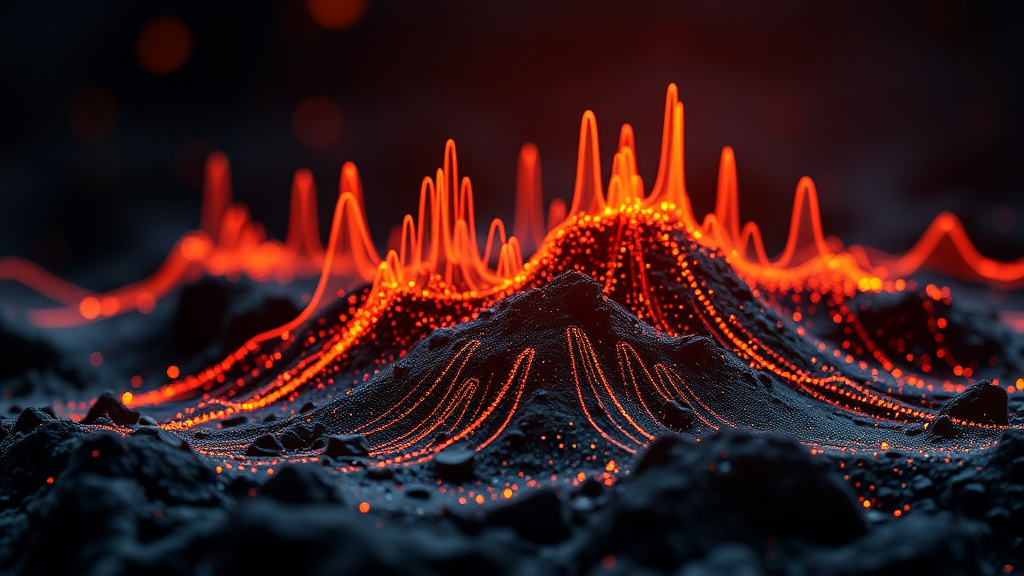
Earthquakes continue to be one of nature’s most destructive and hard-to-predict forces, taking thousands of lives annually. However, cutting-edge developments in AI technology are revolutionizing seismic science. By examining vast datasets of geological patterns, seismic waves, and historical earthquake data, AI algorithms can now detect subtle precursors undetectable by traditional methods. This article explores how ML systems are improving prediction accuracy, possibly preserving lives through advance alerts and improved emergency response planning.
How AI Technology is Revolutionizing Seismic Forecasting
Artificial intelligence has significantly changed how seismologists tackle earthquake prediction, moving beyond traditional statistical models toward sophisticated pattern recognition systems. Machine learning algorithms can handle vast amounts of seismic data in real-time, uncovering intricate connections between geological variables that human analysts might miss. This technical progress marks a fundamental shift in earthquake science, enabling researchers to detect warning signs weeks or months before major seismic events happen, substantially enhancing public safety outcomes.
The integration of AI into seismic forecasting systems has already shown impressive success rates in various regions worldwide. By integrating historical seismic records with contemporary sensor data, artificial intelligence models can forecast seismic activity with unprecedented precision. These systems constantly improve from new data, becoming increasingly accurate over time. Scientists now utilize advanced neural networks to examine stress distributions in tectonic plates, pressure changes in geological formations, and electromagnetic disturbances that occur before earthquakes, establishing comprehensive predictive frameworks.
Machine Learning Algorithms and Seismic Data Analysis
Machine learning algorithms are skilled at discovering hidden patterns within large earthquake data collections that contain vast quantities of information. Neural networks built from years of seismic history can detect nuanced connections between earth motion, electromagnetic signals, and stress measurements. These algorithms analyze data from numerous monitoring stations simultaneously, integrating intricate relationships across vast geographical areas. The resulting models achieve accuracy rates markedly superior than standard prediction techniques, offering scientists invaluable insights into seismic behavior.
Seismic data analysis driven by AI technology demonstrates complex connections between different geological variables formerly regarded as separate. Neural network algorithms can tell apart minor tremors and precursory signals pointing to significant earthquakes approaching. By examining frequency patterns, amplitude changes, and temporal sequences in earthquake data, AI systems recognize unique patterns unique to various fault lines. This sophisticated analysis allows researchers to establish region-specific prediction models tailored to regional geological features and historical seismic behavior patterns.
Continuous Monitoring and Early Alert Systems
Contemporary AI-powered early warning systems track seismic activity continuously, sending alerts within seconds of seismic event identification. These systems leverage real-time data streams from global sensor networks, processing information faster than conventional approaches allow. Advanced algorithms distinguish between various seismic classifications and magnitudes, enabling suitable crisis responses. The accuracy and speed of artificial intelligence-based tracking systems have demonstrated instrumental in reducing loss of life and reducing property damage during seismic events across vulnerable populations worldwide.
Live earthquake monitoring represents a critical advancement in disaster response infrastructure. Artificial intelligence systems assess seismic data against past records, assessing earthquake probability and projected magnitude. These systems activate immediate notifications to emergency services, hospitals, and public transportation networks within milliseconds of detection. Integration with mobile networks ensures quick population notification, providing people minutes or seconds to find protection. This technological capability has fundamentally changed how societies address to seismic hazards.
- Automated alert systems notify authorities in milliseconds of detection
- AI algorithms forecast earthquake location, magnitude, and intensity distribution
- Real-time data integration allows ongoing system accuracy enhancements
- Mobile notifications alert populations seconds before seismic waves arrive
- Machine learning models adjust to regional geological characteristics automatically
Challenges and Future Prospects in AI-Driven Seismology
Current Limitations and Technical Barriers
Despite substantial progress, AI-driven seismology encounters significant challenges that researchers must overcome. The shortage of high-quality earthquake data remains problematic, as significant seismic occurrences take place infrequently in any given region. Additionally, the sophistication of Earth’s crustal composition presents factors that present-day systems find difficult to represent comprehensively. Inconsistent data standards across various seismic networks and regions compound the challenges in algorithmic training, potentially generating distortions that lower prediction confidence and accuracy in diverse geographical contexts.
Integration with Existing Infrastructure
Successfully deploying AI systems necessitates seamless integration with established seismic monitoring networks worldwide. Many regions still rely on legacy equipment that may not support advanced computational demands or real-time data transmission. Educating seismic professionals to utilize AI tools presents another challenge, demanding substantial investment in professional training and skill development. Furthermore, establishing uniform AI frameworks across various nations and seismic zones requires worldwide partnership and consensus on approaches, which continues to be an continuous process within the international research sector.
New Possibilities and Next Steps
The trajectory of seismology powered by AI holds tremendous promise as innovation progresses at a rapid pace. Enhanced machine learning frameworks and greater processing capacity will allow enhanced recognition of complex patterns. Growing networks of seismic sensors and information-sharing partnerships will deliver more comprehensive data for training algorithms. In the end, merging algorithmic predictions with conventional seismic expertise could transform earthquake prediction, substantially improving public safety measures and allowing societies to respond with greater preparedness for expected seismic activity.
