
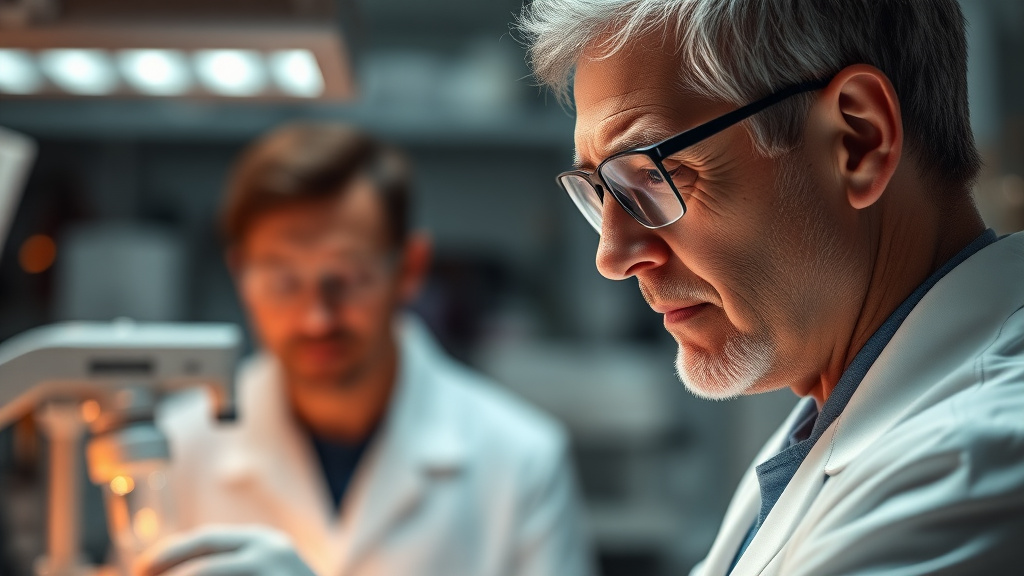
In a groundbreaking discovery that could transform medicine and prolong human lifespan, scientists have unveiled a compelling new method to slow aging at the cellular level. Researchers have pinpointed a technique able to rejuvenating aged human cellular tissue, potentially revealing the secrets to extending youth and addressing age-related diseases. This article explores the novel breakthrough, assessing how scientists accomplished this significant feat, the mechanisms underlying the process, and what this advancement means for the future of anti-aging medicine and human longevity.
Major Advance in Cell Renewal
Scientists have successfully demonstrated a innovative approach that reverses aging markers in human cells, constituting a key advancement in cellular regeneration. This groundbreaking discovery involves restoring cellular youth to regain youthful function and performance. The research group utilized advanced molecular and genetic methods to identify and manipulate key cellular processes responsible for aging. Their evidence demonstrates that aging may be reversible, unlocking potential for treating degenerative diseases and extending human healthspan.
The potential impact of this breakthrough go well past laboratory experiments, as the technique demonstrates potential for clinical implementation in practice. Researchers found that cells that received treatment exhibited restored mitochondrial function, strengthened DNA repair systems, and increased cellular energy generation. These rejuvenated cells demonstrated markers typically associated with tissue that is younger and healthier. The success of this strategy presents convincing proof that aging processes are capable of therapeutic intervention, possibly reshaping how clinicians address age-related conditions and bringing new possibilities for individuals with age-dependent diseases.
How the Latest Technique Functions
The groundbreaking technique centers on reprogramming cellular DNA through precise genetic engineering and cellular communication pathways. Scientists employ specialized proteins called Yamanaka factors to reverse the aging process within cells, fundamentally restoring them to a younger cellular state. This process requires precisely regulating gene expression patterns that accumulate damage over many years. By awakening inactive repair mechanisms, researchers can effectively reverse the cellular damage linked to aging while preserving the cell’s original function and identity.
The approach leverages cutting-edge CRISPR gene-editing systems combined with epigenetic modifications to achieve impressive findings. Researchers pinpointed particular molecular indicators that distinguish young cells from older cells, then developed a framework to reverse the markers without inducing cellular damage. The process functions by regulating histone alterations and DNA methylation patterns, the molecular markers that regulate which genes are active or inactive. This targeted approach demonstrates that aging is not unchangeable, providing unprecedented potential for therapeutic applications in regenerative medicine.
Implications and Emerging Applications
The implications of this cell renewal breakthrough go well past basic research, offering transformative applications in regenerative medicine and therapeutic treatments. If properly adapted for clinical practice, this method could transform the way physicians address aging-related conditions such as Alzheimer’s, Parkinson’s, and cardiovascular conditions. The potential to reverse cellular aging opens new possibilities for developing preventive treatments that target underlying causes of aging rather than simply treating symptoms, substantially transforming our approach to medical care and prevention strategies.
Future applications of this technology span diverse clinical domains, from cosmetic dermatology to organ transplantation and regenerative medicine. Researchers anticipate employing this cell reprogramming method to restore damaged tissue, return organs to normal function, and potentially prolong human life expectancy. The method could enable the development of customized age-reversal treatments tailored to individual genetic profiles, optimizing effectiveness while minimizing side effects. Additionally, this breakthrough may enable the creation of fresher, healthier transplant tissues for transplant procedures, substantially enhancing transplant success rates and patient outcomes worldwide.
While significant clinical trials and regulatory authorization remain necessary before widespread implementation, the scientific community remains optimistic about this technology’s potential. Ongoing research funding and multi-disciplinary cooperation will speed up the movement from laboratory discoveries to real-world medical uses. As scientists improve these methods and resolve lingering issues, society must at the same time engage in ethical deliberations regarding equal access and appropriate use. This discovery marks a pivotal moment in medical research, promising to reshape longevity medicine and dramatically reshape human health outcomes for the generations ahead.
