
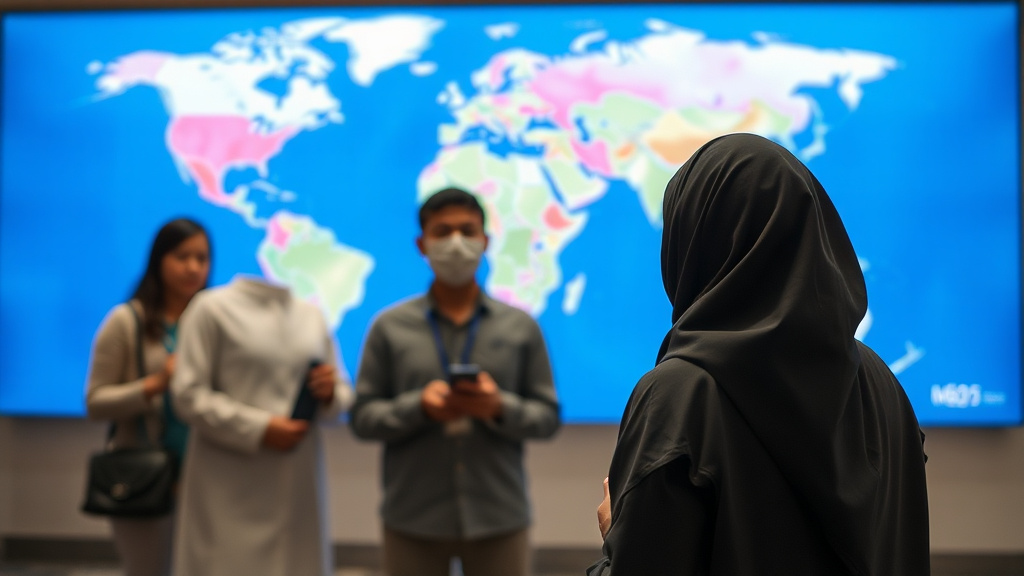
In a historic move to address the growing danger of disease transmission globally, the World Health Initiative has launched an far-reaching worldwide campaign intended to stop, identify, and address disease outbreaks before they develop into catastrophic pandemics. This extensive program connects nations, health experts, and research institutions to improve disease surveillance systems, optimize vaccination programs, and strengthen pandemic preparedness. Discover how this unified worldwide effort works to save countless lives and redefine our shared protection against pathogenic risks.
Global Response to Growing Disease Threats
The rising frequency and severity of infectious disease outbreaks have triggered an unparalleled joint effort from the international health community. The World Health Initiative’s campaign represents a pivotal moment in global health security, mobilizing resources and expertise across regions. By establishing interconnected surveillance networks and fostering collaboration between developed and developing nations, this program tackles the core deficiencies that have historically enabled pathogens to circulate without control. The comprehensive approach recognizes that infectious disease challenges transcend borders, demanding unified strategies and collective accountability among all stakeholders in the worldwide health system.
Central to this response is the commitment to reinforcing health systems in at-risk areas where infectious disease incidents frequently emerge and propagate most quickly. The campaign focuses on training local health workers, enhancing testing and detection abilities, and establishing early warning systems that can identify new risks in real time. By investing in preventive measures and rapid response protocols, the World Health Initiative seeks to reshape the way countries address and handle infectious disease crises. This forward-thinking approach changes the focus from reactive crisis management to planned disease control, ultimately saving lives and reducing the economic burden of disease outbreak consequences on populations worldwide.
Key Strategies and Prevention Methods
The World Health Initiative’s campaign employs a comprehensive strategy integrating advanced technology, global partnerships, and evidence-based practices. By combining live data analysis with traditional epidemiological methods, the initiative reinforces outbreak monitoring systems worldwide. Investment in healthcare infrastructure, staff development, and public health education forms the foundation of this preventive approach, guaranteeing communities worldwide gain defenses against evolving infectious diseases.
Prompt Recognition Mechanisms
Early identification represents the foundation of effective disease outbreak response. The World Health Initiative has emphasized establishing interconnected surveillance networks that track illness trends continuously across participating nations. These sophisticated systems leverage AI and machine learning technology to detect anomalies and potential outbreaks before they escalate. By enabling swift data exchange between public health agencies, early detection systems facilitate rapid response and control strategies that prevent widespread transmission.
Advanced laboratory tools and testing systems form essential components of the disease identification framework. The initiative supports the creation of portable testing units and on-site testing solutions that bring diagnostic capabilities to remote and underserved regions. Educational initiatives ensure healthcare workers can properly operate these tools, while accuracy verification measures preserve diagnostic accuracy. This decentralized approach allows quicker detection of cases and variants, crucial for implementing timely public health responses.
- Live health monitoring networks monitoring global health threats
- Artificial intelligence systems detecting unusual outbreak patterns early
- Portable diagnostic laboratories serving isolated populations effectively
- Rapid information sharing protocols connecting international health authorities
- Quality assurance programs ensuring testing precision and dependability
International Collaboration and Support Materials
The effectiveness of the World Health Initiative’s initiative relies on remarkable cross-border cooperation and shared resources among participating nations. Countries are allocating significant funding, medical expertise, and technological infrastructure to establish interconnected outbreak monitoring systems. By combining efforts, nations can mobilize quick-action groups, share critical epidemiological data, and coordinate vaccination efforts across borders. This collaborative framework ensures that infectious threats are detected and managed quickly, regardless of geographic location, creating a unified global defense system against infectious threats.
Financial commitments from developed and developing nations underscore the campaign’s worldwide importance in global health security. The initiative deploys cutting-edge diagnostic technologies, testing laboratories, and trained personnel to reinforce healthcare systems across the globe. Cross-border partnerships facilitate information sharing, enabling countries to draw insights from successful containment strategies and adopt best practices. Through strategic resource distribution and technical support, the World Health Initiative enables every nation to bolster its disease prevention infrastructure and take an active role in defending global populations from emerging infectious disease threats.
Future Outlook and Expected Impact
The World Health Initiative’s program is expected to substantially improve worldwide disease monitoring systems over the subsequent five-year period. By deploying modern detection tools and bolstering lab infrastructure across developing nations, health agencies expect to detect new threats within days instead of weeks. This faster response timeframe could prevent countless infections and preserve millions of lives. The initiative’s commitment to training healthcare workers and setting up regional coordination hubs is designed to create a more resilient worldwide health systems capable of addressing emerging health crises with enhanced efficiency and collaboration.
Looking ahead, the campaign’s long-term success relies on continuous worldwide partnership and sufficient financial support from member states. Experts anticipate that consistent guidelines and collaborative information systems will enable more rapid communication between countries, promoting a authentic cooperative framework to infectious disease prevention. As vaccine rollouts scale up and detection systems advance, the initiative seeks to lower death rates from infectious disease by roughly thirty percent within a decade. This transformative effort represents humanity’s most comprehensive attempt yet to build a unified defense against infectious disease threats.
